German Shepherd Training in Suffolk County | The K-9 Center Long Island
German Shepherd Training: What Makes This Breed Unique in Suffolk County
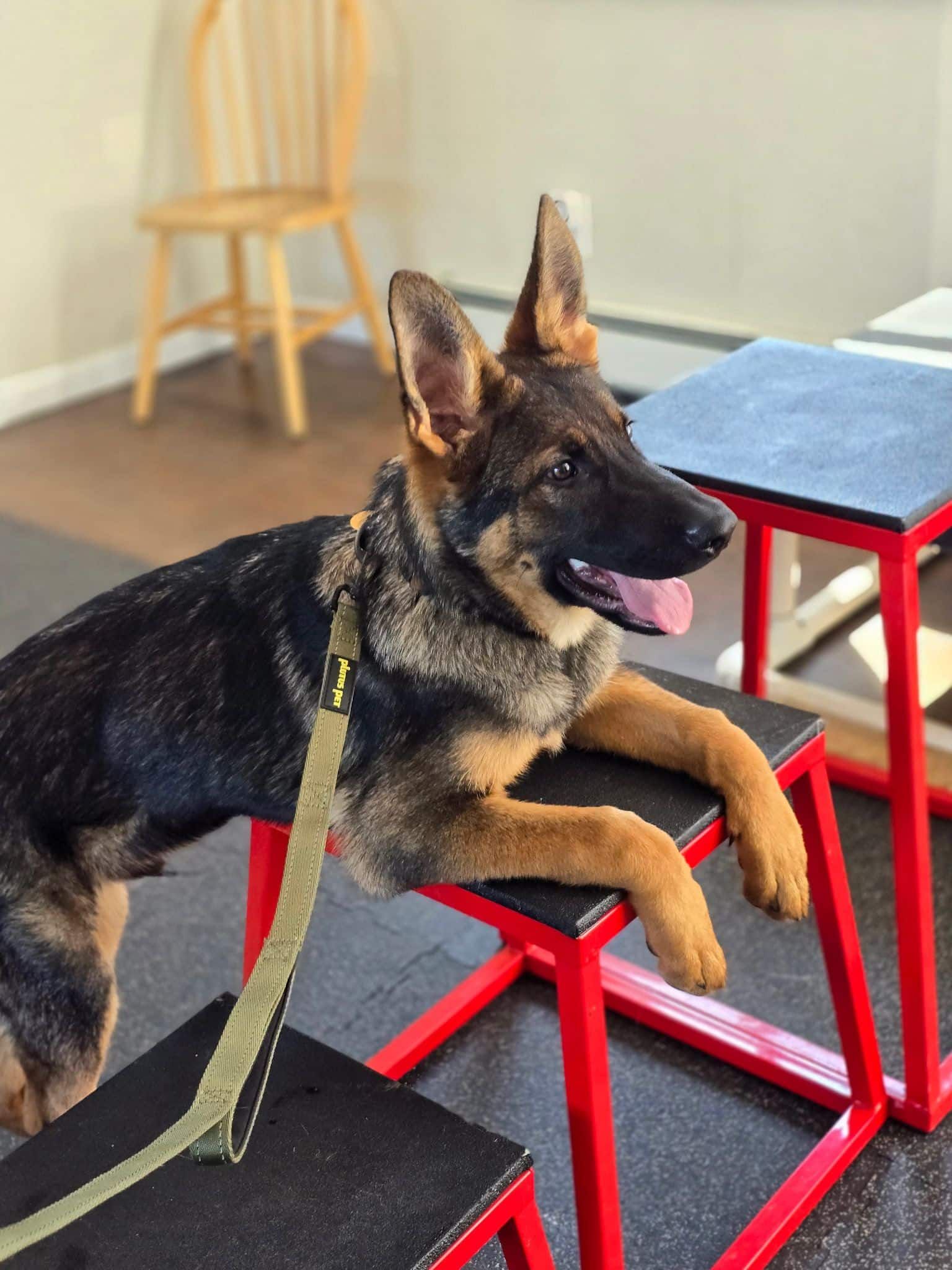
Few dog breeds command the respect, admiration, and intense loyalty of the German Shepherd. From police work to search and rescue, from family protection to devoted companionship, German Shepherds excel in virtually every role they're given. Here in Suffolk County, these magnificent dogs are increasingly popular among families seeking intelligent, trainable, and versatile companions.
But owning a German Shepherd isn't like owning a Labrador or a Beagle. These dogs were purpose-bred for demanding work, and their training needs reflect their heritage. A German Shepherd without proper training and mental stimulation can quickly become a handful—displaying behaviors that range from merely frustrating to genuinely problematic.
At The K-9 Center, German Shepherds are our specialty. Master Trainer John Browne has been breeding, training, and working with GSDs for over 35 years, both in the United States and internationally. We understand this breed intimately—their drives, their needs, their potential, and their challenges. Whether you're bringing home a German Shepherd puppy in Hauppauge, working with a rescue GSD in Ronkonkoma, or addressing behavioral issues with an adolescent Shepherd in Lake Grove, this guide will help you understand what makes German Shepherd training unique and how to bring out the best in your dog.
What Makes German Shepherds Different from Other Breeds
Understanding breed-specific characteristics isn't about stereotyping—it's about recognizing the traits selectively bred into these dogs over more than a century. German Shepherds were developed in the late 1800s specifically for herding and protecting livestock, then quickly proved their worth in police and military work. This heritage shaped every aspect of their temperament and training needs.
Exceptional Intelligence and Trainability
German Shepherds consistently rank among the top three most intelligent dog breeds. They learn new commands quickly—often within just 5-15 repetitions—and retain what they've learned remarkably well. This intelligence is a double-edged sword: a German Shepherd learns good behaviors quickly, but they also learn bad behaviors just as fast.
Their problem-solving abilities mean they'll figure out how to open gates, escape yards, and manipulate family members. Long Island German Shepherd owners frequently tell us stories of their dogs opening doors, unlatching gates, or learning complex sequences of behaviors through observation alone.
Strong Work Drive and Purpose
Unlike breeds developed purely for companionship, German Shepherds need a job. They're happiest when they have clear purposes and tasks to complete. A GSD lying around the house all day becomes bored, frustrated, and potentially destructive. This is particularly important for Suffolk County owners who work full-time—your German Shepherd needs more than a quick walk around the block.
Their work drive manifests in various ways: constant alertness, patrol behaviors around the property, attentiveness to unusual sounds or activities, and a strong desire to engage in training and activities with their handler.
Natural Guarding and Protection Instincts
German Shepherds are naturally protective of their family and territory. This isn't aggression—it's an inherent trait that made them excellent shepherding and guardian dogs. However, without proper training and socialization, this protective instinct can become problematic, leading to overreactive barking, suspicious behavior toward visitors, or difficulty in public settings.
Managing these instincts requires understanding, not suppression. A well-trained German Shepherd distinguishes between genuine threats and normal daily occurrences, remaining calm and confident rather than reactive.
High Energy and Exercise Requirements
German Shepherds were bred to work all day herding and protecting livestock. While modern GSDs may not work sheep in Hauppauge, they still possess that stamina and energy. A German Shepherd needs substantial daily exercise—we're talking an hour or more of vigorous activity, not just a leisurely stroll.
Inadequate exercise is the root cause of many behavioral problems in German Shepherds: destructive chewing, excessive barking, hyperactivity, and difficulty focusing during training. Long Island offers excellent opportunities for GSD exercise—from Caleb Smith State Park trails to beach walks in warmer months—and taking advantage of these resources is crucial for a well-balanced dog.
Sensitivity and Strong Handler Bonding
Despite their tough exterior, German Shepherds are remarkably sensitive to their handler's emotions and corrections. Harsh training methods damage the trust and bond essential for effective GSD training. These dogs form incredibly strong attachments to their primary handler and can be aloof or even wary with strangers.
This sensitivity means German Shepherds respond best to clear, consistent, fair training that builds their confidence rather than breaking their spirit. They need handlers who are calm, assertive leaders—not dominating alpha figures.
The K-9 Center Insight: After 35+ years breeding and training German Shepherds, we've learned that the breed's greatest strength—their intelligence and drive—requires owners who are committed, consistent, and willing to invest time in proper training. A well-trained GSD is one of the most rewarding dogs you'll ever own. An untrained GSD is one of the most challenging.
Critical Training Periods for German Shepherd Development
German Shepherd development follows predictable stages, and each period requires specific training focus. Missing these windows doesn't doom your dog, but it makes training significantly harder later.
8-12 Weeks: Foundation and Socialization
This is the most critical period for German Shepherd socialization. Your puppy should be exposed to dozens of people, experiences, sounds, surfaces, and environments—all in positive contexts. Suffolk County puppy owners should take their GSDs to pet-friendly stores, outdoor dining areas, and puppy socialization classes.
Training priorities:
- Basic name recognition and attention
- House training foundation
- Gentle handling and grooming tolerance
- Introduction to basic commands (sit, down, come)
- Extensive positive socialization with people and friendly dogs
3-6 Months: Building Obedience and Managing Energy
German Shepherd puppies hit their energetic, mouthy, bouncy phase during these months. They're testing boundaries, exploring with their mouths, and burning through energy at an astounding rate. This is when many Hauppauge owners contact us saying their puppy has become 'unmanageable.'
Training priorities:
- Solid obedience foundation (sit, down, stay, come, heel)
- Bite inhibition and appropriate play
- Leash manners and loose leash walking
- Impulse control exercises (wait, leave it)
- Continued socialization in increasingly challenging environments
6-18 Months: The Adolescent Challenge
German Shepherd adolescence is notorious. Your previously obedient puppy may suddenly 'forget' everything they learned. They become more independent, test boundaries more aggressively, and their protective instincts begin emerging. Many owners surrender their German Shepherds during this phase, which is tragic because with proper guidance, dogs emerge from adolescence as reliable adults.
Training priorities:
- Reinforcing obedience with higher distractions
- Managing protective instincts appropriately
- Advanced training to challenge their minds
- Maintaining socialization despite wariness
- Consistent leadership and clear boundaries
Professional training during adolescence is strongly recommended. This is when most behavioral problems either develop or get prevented.
Essential Commands for German Shepherd Obedience
All dogs benefit from basic obedience, but for German Shepherds, these commands aren't optional—they're mandatory for safe management of an intelligent, powerful, protective breed.
Recall (Come): The Non-Negotiable Command
A German Shepherd that doesn't come when called is dangerous. At 75-95 pounds with strong prey drive and protective instincts, an off-leash GSD that won't return to you is a liability. Recall training must be rock-solid, practiced in progressively distracting environments, and regularly maintained throughout your dog's life.
Practice recall at Long Island parks, starting at quiet times and gradually building to busier hours. Use high-value rewards and never call your dog for something unpleasant.
Place/Stay: Managing Alertness and Reactivity
German Shepherds are naturally vigilant. Teaching a solid 'place' or 'stay' command gives them an off-switch for their alertness. When someone comes to the door, your GSD should be able to go to their place and stay there calmly rather than barking and rushing the door.
This command is essential for Suffolk County homes where doorbells, delivery drivers, and neighborhood activity are constant. Practice with gradually increasing distractions and duration.
Heel: Control During Walks
German Shepherds are strong, and an adolescent or adult GSD that pulls can easily overpower most handlers. Formal heeling—where your dog walks precisely at your left side, adjusting pace and direction with you—provides control and mental engagement during walks around Hauppauge neighborhoods or trails.
Proper heel position also manages your GSD's natural inclination to scan for threats, teaching them to trust your leadership and stay focused on you.
Out/Leave It: Impulse Control
German Shepherds have strong prey drive and investigate everything with their mouths when young. 'Leave it' or 'out' commands prevent them from picking up dangerous items, chasing wildlife, or fixating on things you don't want them engaging with.
This command is particularly important given Long Island's abundance of wildlife—deer, rabbits, squirrels, and birds that trigger prey drive.
Watch Me/Focus: Building Attention
Teaching your German Shepherd to focus on you on command is invaluable for managing their alertness and protective instincts. When your GSD fixates on another dog, a stranger, or a stimulus, 'watch me' redirects their attention back to you, allowing you to guide them through the situation calmly.
Common German Shepherd Training Challenges in Suffolk County
Based on decades of working with German Shepherds throughout Long Island, these are the most frequent challenges owners face and how to address them.
- Overprotectiveness and Reactivity
The Problem: Your GSD barks intensely at strangers, other dogs, or people passing your property. They may lunge on leash toward perceived threats or become aggressive when protecting family members.
The Solution: This requires early and extensive socialization, teaching your dog to trust your judgment about threats, and rewarding calm behavior around triggers. Professional training is strongly recommended—protective instincts managed incorrectly can escalate into genuine aggression.
- Mouthing and Biting During Play
The Problem: German Shepherd puppies are extremely mouthy, and their powerful jaws can cause painful bites even during play. Many owners tolerate this, thinking it's 'just puppy behavior,' but it establishes bad patterns.
The Solution: Teach bite inhibition early. When your puppy bites too hard, yelp sharply and immediately stop playing. Redirect to appropriate toys. Never roughhouse in ways that encourage biting. GSDs must learn that teeth on human skin ends all fun.
- Destructive Behavior When Alone
The Problem: Your German Shepherd destroys furniture, shoes, or household items when left alone. This often happens with working professionals in Hauppauge and Suffolk County who must leave their dogs during the day.
The Solution: GSDs need both physical and mental exhaustion before alone time. A morning run or intense training session, combined with puzzle toys and chews during alone time, prevents boredom-driven destruction. Crate training is often necessary for adolescent GSDs.
- Leash Reactivity Toward Other Dogs
The Problem: Your GSD lunges, barks, or becomes highly aroused when seeing other dogs on walks, making neighborhood walks stressful.
The Solution: This is frustration-based reactivity, not aggression. Teach focus commands, practice counter-conditioning at a distance where your dog stays calm, and gradually decrease distance over many sessions. Management is key—don't repeatedly expose your dog to situations that trigger reactive outbursts.
- Ignoring Commands in Distracting Environments
The Problem: Your GSD obeys perfectly at home but ignores you completely at parks, on walks, or in new environments.
The Solution: You've progressed too quickly without building reliability. Go back to easier environments and gradually increase difficulty. Train in progressively more distracting locations—your yard, quiet street, busier street, local park at quiet times, park at busy times. Use extremely high-value rewards in challenging environments.
Effective Training Methods for German Shepherds
German Shepherd training requires a balanced approach that respects their intelligence, sensitivity, and working heritage. At The K-9 Center, we've refined these methods over 35+ years of working with GSDs.
Clear Leadership Without Dominance
German Shepherds need confident, consistent leadership. This doesn't mean harsh corrections or 'alpha rolls'—it means calm, clear communication about what you expect. Set boundaries and enforce them consistently. Your GSD should understand that you make the decisions, but this should be established through structure and training, not force.
Leadership is demonstrated through: controlling resources (food, toys, access to fun), requiring polite behaviors before rewards, maintaining training consistency, and staying calm under pressure.
Positive Reinforcement with Structure
Reward-based training works exceptionally well with German Shepherds. They're eager to please their handler and highly food or toy motivated. However, purely permissive training fails with this breed—they need structure, boundaries, and consequences for unwanted behaviors.
Combine generous rewards for correct behaviors with clear communication about incorrect ones. If your GSD does something wrong, interrupt it, redirect to the correct behavior, then reward. This builds understanding without damaging your relationship.
Mental Challenges and Job Satisfaction
Training sessions should be relatively short (15-20 minutes) but frequent and mentally challenging. Teach your German Shepherd tricks, practice obedience in new locations, work on scent work, or train for dog sports. Suffolk County offers opportunities for dock diving, agility, nose work, and protection sports that satisfy a GSD's need for purpose.
A mentally satisfied German Shepherd is calmer, more focused, and better behaved than one that lacks mental stimulation, regardless of physical exercise.
Consistency Across All Handlers
German Shepherds are smart enough to know which family members enforce rules and which don't. Everyone in your household must use the same commands, enforce the same boundaries, and maintain the same standards. If mom doesn't allow furniture but kids do, your GSD will learn to manipulate the situation.
Hold family training sessions where everyone practices commands together. This ensures consistency and helps your dog generalize their training across different handlers.
Exercise and Mental Enrichment for Long Island German Shepherds
Training alone isn't enough for German Shepherds—they need substantial physical exercise and mental enrichment daily. Fortunately, Suffolk County offers excellent resources for active GSD owners.
Physical Exercise Requirements
Minimum daily requirements for adult German Shepherds:
- 60-90 minutes of moderate to vigorous exercise
- Multiple shorter sessions preferred over one long session
- Activities that engage their minds: hiking, fetch, swimming, agility
- Age-appropriate exercise (less for puppies, more for adolescents/adults)
Great Long Island locations for GSD exercise:
- Caleb Smith State Park (Smithtown) - extensive hiking trails
- Blydenburgh County Park (Smithtown) - trails and open areas
- Cathedral Pines County Park (Middle Island) - wooded trails
- Brookhaven State Park - biking paths perfect for running alongside
- Long Island beaches (off-season) - excellent for swimming and running
Mental Enrichment Activities
Mental exercise tires a German Shepherd as effectively as physical exercise. Incorporate these into your routine:
- Nose work: Hide treats or toys and have your dog find them using their incredible sense of smell
- Puzzle toys: Interactive feeders that require problem-solving to access food
- Training sessions: Learn new commands or tricks—variety keeps them engaged
- Agility: Even basic backyard agility challenges their body and mind
- Obedience in new locations: Practicing commands in different environments provides mental challenges
Understanding German Shepherd Lines: Working vs. Show
Not all German Shepherds are the same. The breed has diverged into distinct lines with different characteristics and training needs. Understanding which type you have helps tailor your training approach.
Working Line German Shepherds
Bred for performance rather than appearance, working line GSDs are typically more intense, energetic, and driven. They have straighter backs, athletic builds, and incredible work ethic. These are the dogs you see in police work, military service, and competitive protection sports.
Training considerations:
- Need substantial daily exercise and mental work
- Excel in dog sports and advanced training
- May have higher prey drive and intensity
- Require experienced handlers committed to training
- Not ideal for sedentary families or first-time dog owners
Show Line (American or German) German Shepherds
Bred primarily for conformation to breed standards, show line GSDs typically have the characteristic sloped back, darker coloring, and more moderate temperaments. They're still intelligent and trainable but generally calmer and more suited to family life.
Training considerations:
- Still need exercise but often less intense than working lines
- May have calmer temperaments, better suited for families
- Respond well to standard obedience training
- Good choice for first-time GSD owners
- May be more prone to hip dysplasia due to conformation
The K-9 Center specializes in working line German Shepherds and has been breeding high-quality GSDs for decades. We understand the unique needs of these intense, driven dogs and can help you bring out their best qualities while managing their challenges.
Why Professional Training Matters for German Shepherds
While some breeds are forgiving of amateur training mistakes, German Shepherds are not. Their intelligence, size, protective instincts, and working drive mean that poor training can create serious problems. Professional training isn't a luxury for this breed—it's a responsibility.
What Professional German Shepherd Training Provides
- Breed-specific expertise: Understanding GSD temperament, drives, and common issues
- Structured progression: Building skills systematically from foundation through advanced work
- Socialization opportunities: Controlled exposure to other dogs and situations
- Problem prevention: Identifying and addressing issues before they become serious
- Handler education: Teaching you how to communicate effectively with your GSD
- Accountability: Keeping you consistent with training when life gets busy
The K-9 Center's German Shepherd Training Programs
For over 35 years, The K-9 Center has specialized in German Shepherd training throughout Suffolk County. Master Trainer John Browne has worked with GSDs internationally and understands the breed from breeding through advanced working dog training.
Our programs include:
- Puppy Foundation Classes: Critical early socialization and basic obedience for GSD puppies
- Adolescent Development: Navigating the challenging teenage phase with structure and guidance
- Advanced Obedience: Building reliable off-leash control and advanced commands
- Behavior Modification: Addressing aggression, reactivity, and other behavioral concerns
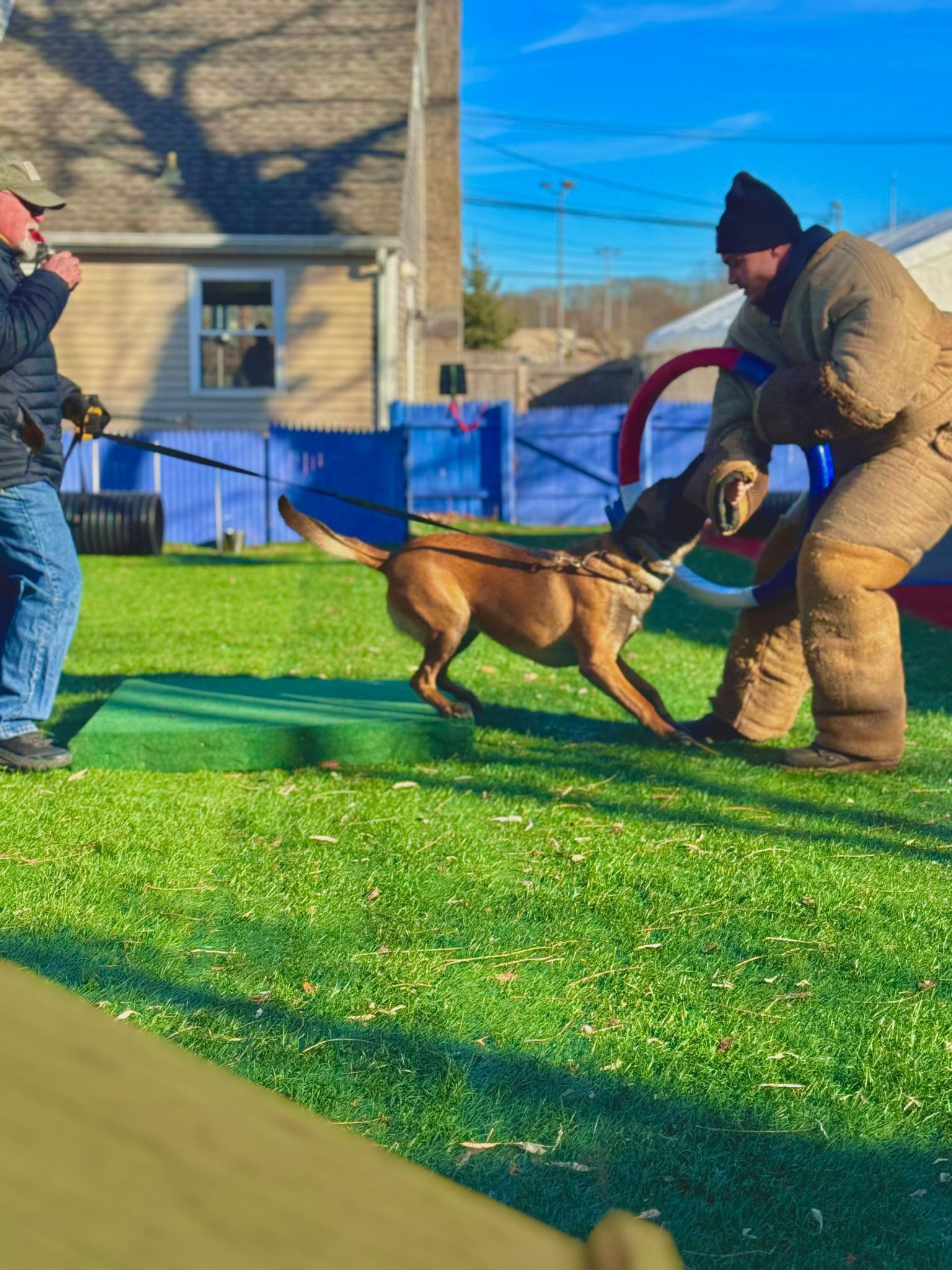
- Protection Work: For owners interested in developing natural guarding abilities appropriately
- Private Training: One-on-one sessions customized to your specific needs and challenges
We also breed high-quality German Shepherds and can help you select the right puppy for your lifestyle and goals, then guide you through every stage of development.
German Shepherds: Worth Every Effort
Training a German Shepherd is more demanding than training most breeds. These dogs require time, consistency, expertise, and commitment. They're not the right choice for everyone, and they're certainly not a breed you can train casually and hope for the best.
But for owners willing to put in the work, German Shepherds offer something extraordinary. They're loyal beyond measure, intelligent enough to learn virtually anything, versatile enough to excel in any role, and bond with their handlers on a level few other breeds achieve. A well-trained German Shepherd is confident, calm, obedient, and an absolute joy to live with.
Whether you're walking through downtown Hauppauge, hiking Long Island trails, or simply relaxing at home, your German Shepherd should be a trusted companion that enhances every experience. That level of partnership doesn't happen by accident—it's built through proper training, consistent leadership, and deep understanding of what makes this breed unique.
If you're a Suffolk County German Shepherd owner ready to unlock your dog's full potential, or if you're considering adding a GSD to your family and want to start off right, The K-9 Center is here to help. With over 35 years of breed-specific expertise, we understand German Shepherds better than anyone in the region. Let us help you build the relationship and the training foundation your dog deserves.
EXPERT GERMAN SHEPHERD TRAINING ON LONG ISLAND
The K-9 Center: German Shepherd Specialists Since 1989
Master Trainer John Browne has over 35 years of experience breeding, training, and working with German Shepherds. Whether you need puppy foundation training, behavioral modification, or advanced working dog development, we provide expert guidance tailored to this remarkable breed.
Schedule your free German Shepherd training evaluation today.
Call (631) [INSERT NUMBER] | Visit thek9center.com/german-shepherd-training
Serving Hauppauge, Ronkonkoma, Lake Grove, Smithtown & all of Suffolk County
Related German Shepherd Resources
- 10 Essential Commands Every Long Island Dog Owner Should Teach Their Puppy
- How to Stop Your Dog from Pulling on the Leash: A Step-by-Step Guide
- Training Large Breed Dogs: Special Considerations for Suffolk County Owners
- The Truth About Dog Aggression: Types, Triggers, and Training Solutions
- Why Your Rescue Dog Needs Professional Training (And How to Get Started)
About The K-9 Center's German Shepherd Program
The K-9 Center has been Suffolk County's premier German Shepherd training facility and breeder for over 35 years. Master Trainer John Browne brings unparalleled expertise in working with this breed, having trained GSDs for police work, protection, competition, and family companionship both in the United States and internationally.
Our German Shepherd program includes breeding top-quality working line dogs, comprehensive training from puppy foundation through advanced work, and lifetime support for our clients. We understand German Shepherds intimately—their drives, their needs, their potential, and their challenges—and we're passionate about helping owners develop the extraordinary partnership this breed offers.
Located in Hauppauge, NY, we serve German Shepherd owners throughout Long Island with training programs designed specifically for this breed's unique characteristics. Whether you're starting with an 8-week-old puppy or addressing behavioral challenges with an adult dog, we have the experience and expertise to help you succeed.
Contact The K-9 Center today to discuss your German Shepherd's training needs or to learn about our breeding program.