What to Expect in Your First Dog Training Session at The K-9 Center
Deciding to work with a professional dog trainer is a significant step for any Long Island dog owner. Whether you're bringing an eager new puppy, addressing challenging behaviors in an adult dog, or seeking advanced training for a beloved companion, that first training session often comes with a mix of anticipation, hope, and honest anxiety. Will your dog behave? Will the trainer judge you? What if your dog is "too much" for them? What if you don't know what to say or do?
At The K-9 Center in Hauppauge, we've welcomed thousands of Suffolk County families for first sessions over the past 35+ years. We understand that walking through our doors for the first time takes courage—and we've built our entire approach around making that first session comfortable, informative, and productive. There's no judgment, no dog too challenging, no owner question too basic. Our first training session serves one primary purpose: understanding you and your dog so we can develop the most effective path forward.
This comprehensive guide walks you through exactly what to expect when you schedule your first session with us. Complete transparency helps you arrive prepared, comfortable, and ready to begin the training journey that will transform your relationship with your dog. From the initial phone call through leaving our facility with a clear plan, you'll know precisely what happens and why.
Whether you're considering training for a rambunctious puppy from a Ronkonkoma breeder, a rescue dog with unknown history from a Lake Grove shelter, or an established family dog needing behavior modification in Hauppauge, understanding the process removes anxiety and helps you make the most of your first professional training experience.
Before Your First Session: Scheduling and Preparation
Your training journey begins well before you arrive at our Hauppauge facility. Understanding the preparation phase helps ensure your first session provides maximum value.
The Initial Contact
Most Suffolk County families begin by calling us at (631) 588-0000 or reaching out through our website. This initial conversation isn't a sales pitch—it's a genuine discussion about your dog, your goals, and whether The K-9 Center is the right fit for your specific situation. We'll ask questions about your dog's age, breed, history, current behaviors, and what you're hoping to achieve through training.
If your situation is a good match for our services, we'll schedule your initial evaluation. If we're not the right fit—perhaps you need a specialized service we don't provide, or your goals require resources beyond our scope—we'll tell you honestly and often recommend appropriate alternatives. This transparency is fundamental to our practice.
What to Bring to Your Session
Preparation for your first session is straightforward. Here's what to bring:
- Your dog: This may seem obvious, but confirm this with us during scheduling—some evaluation sessions are owner-only initial consultations
- Current collar and leash: Use whatever equipment you normally use for walking, even if it's not working well
- Vaccination records: For dogs entering our facility, we need current vaccination documentation
- High-value treats: Bring what your dog considers exceptional (real chicken, cheese, hot dog pieces)
- Written notes about concerns: Jot down specific behaviors, questions, and goals so you don't forget anything important
- Comfortable clothing: You'll be moving with your dog, so wear practical clothes and closed-toe shoes
- Family members if relevant: If multiple people handle the dog, consider bringing them (or at least the primary handlers)
Preparing Your Dog
Some simple preparation makes your dog more receptive to the training session. Give your dog moderate exercise before the appointment—not exhausting them, but taking the edge off excess energy. Understanding the critical connection between exercise and training success helps set your dog up for productive sessions. Feed them a smaller-than-normal meal 2-3 hours before (so treats are more motivating). Take them to eliminate before arriving. And approach the session with calm confidence yourself—your dog reads your emotional state.
Don't worry about your dog being "perfect" or hiding their problems. We need to see your dog as they actually are, not on their best behavior. If your dog pulls on leash, we need to see that. If they're reactive to other dogs, we need to understand that reactivity. Authentic behavior helps us develop authentic solutions.
Common Concern: Many owners worry we'll judge them for their dog's problematic behaviors. We don't. We've seen every kind of dog behavior in 35+ years. Your dog's issues aren't unique, aren't your fault, and aren't something to feel embarrassed about. We're here to help, not judge.
What Happens During Your First Session
Your first session at The K-9 Center typically runs 60-90 minutes and follows a structured but flexible format designed to gather comprehensive information while giving you concrete value from the very first meeting.
Welcome and Initial Discussion
Your session begins with a conversation before any active training. We want to understand your dog thoroughly—their background, personality, history, and current challenges. This discussion typically covers:
- Your dog's age, breed, and time in your family
- Health status and any medical issues
- Previous training experiences (if any)
- Daily routines and exercise levels
- Family composition and household dynamics
- Specific behaviors or problems concerning you
- Training goals and expectations
- Timeline expectations and commitment level
This isn't a rigid checklist—it's a genuine conversation where we listen carefully and ask follow-up questions. The more we understand about your specific situation, the better we can develop appropriate training approaches. Your dog might explore the room or settle nearby during this discussion, giving us initial observations even before formal evaluation begins.
Behavioral Observation
While we're talking, Master Trainer John Browne and our team are constantly observing your dog. We watch for temperament indicators, stress signals, energy levels, focus capabilities, and how they respond to novel environments. These observations often reveal patterns owners don't notice—subtle body language, response to unfamiliar sounds, engagement patterns, and countless other data points that inform training approach.
We may also observe your interactions with your dog—how you handle the leash, respond to their behavior, and communicate with them. These observations are educational, not judgmental. Understanding your current handling helps us identify simple adjustments that often produce dramatic improvements.
Skill Assessment
Depending on your dog's age and history, we assess current training foundations. Puppies get evaluated on developmental milestones—confidence, engagement, motivation, and receptiveness to new experiences. Older dogs are assessed on existing skills—what commands they know, how reliably they respond, their behavior on various types of equipment, and their responses to typical training situations.
This assessment isn't a pass/fail evaluation. It's simply understanding your dog's current baseline so we can build from there. Some dogs know more than owners realize; others have gaps in supposedly established skills. Either way, accurate baseline assessment ensures training builds on solid foundations. If you'd like to understand what foundational skills we look for, review our guide to 10 essential commands every Long Island dog owner should teach their puppy.
Live Training Demonstration
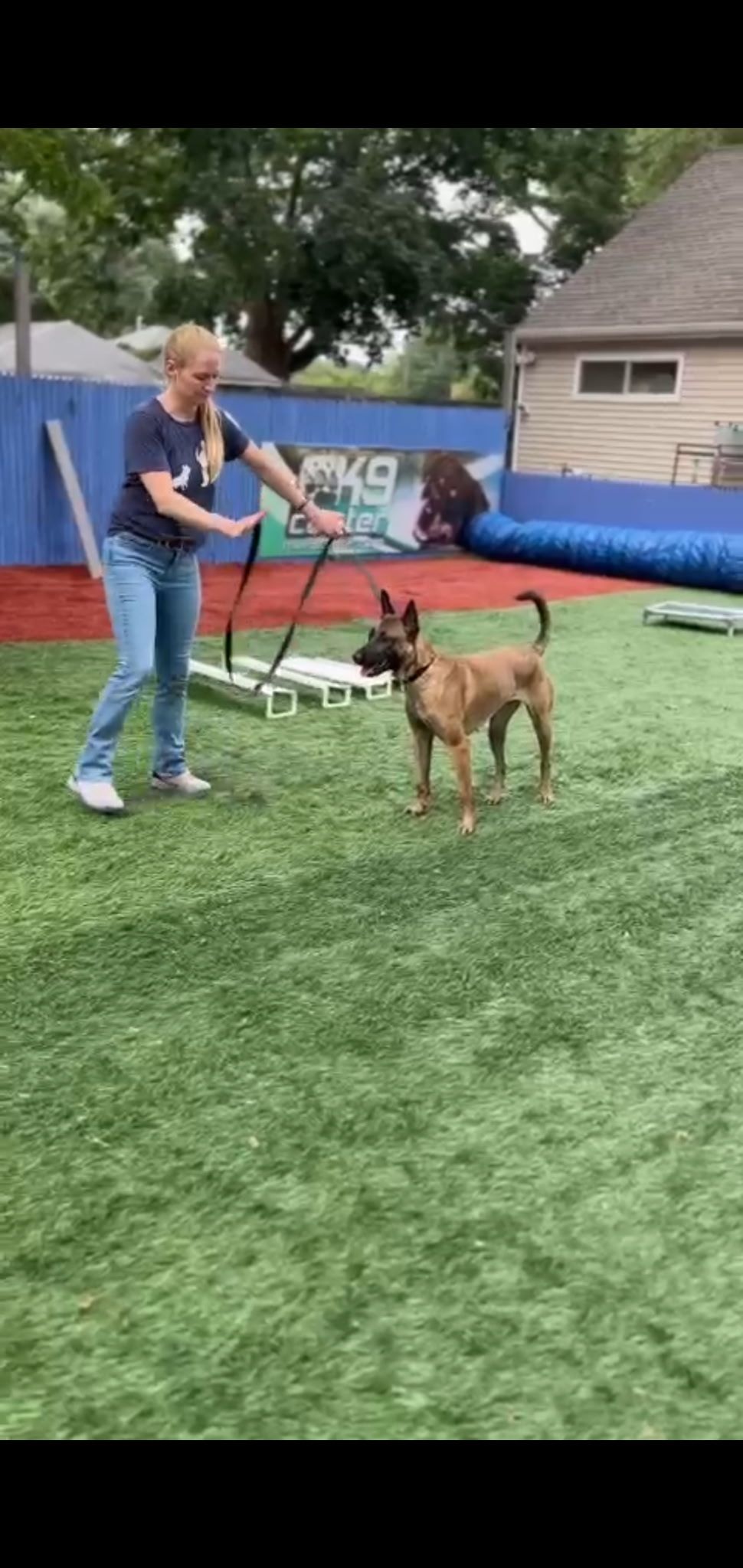
Most first sessions include some hands-on demonstration where we work directly with your dog. This might be introducing a new skill, addressing a specific behavior, or showing you improved handling techniques. Seeing us work with your dog serves multiple purposes—it demonstrates our approach, shows you what's possible with your specific dog, and gives you techniques you can practice immediately.
Many owners are surprised at how quickly their dog responds to skilled handling. That leash pulling that seemed impossible? Often addressable with technique changes—learn more in our complete guide to loose leash walking. That jumping problem plaguing your Hauppauge home? Manageable with different responses. Seeing these transformations firsthand builds confidence that training will succeed with proper approach.
Your Hands-On Practice
You'll also get hands-on practice during your first session. We coach you through basic handling techniques, showing you how to hold the leash properly, deliver rewards effectively, communicate clearly, and respond to your dog's behavior appropriately. Even small technique adjustments often produce noticeable immediate improvements.
Don't worry about getting everything perfect. First-session practice is about understanding fundamentals, not mastery. We provide patient coaching, immediate feedback, and encouragement as you work with your dog. This practical component helps you leave the session feeling capable, not overwhelmed.
Concluding the Session: Assessment and Recommendations
The final portion of your first session provides comprehensive feedback and clear next steps. This is where the evaluation transforms into actionable guidance for your specific situation.
Honest Assessment Discussion
We discuss what we observed—your dog's strengths, challenges, learning style, and specific needs. This honest conversation includes both positive observations (what's working well, natural abilities, promising foundations) and areas requiring attention (specific behaviors to address, skill gaps, potential challenges).
If your goals are realistic and achievable, we'll confirm that. If your expectations need adjustment based on what we observed, we'll explain why with specific examples. Understanding realistic timelines for dog training is essential for setting proper expectations. If we noticed anything concerning that wasn't part of your original description—perhaps a fear response, potential medical concern, or complicating factor—we'll discuss it openly. Our goal is complete transparency, not selling you services.
Program Recommendations
Based on the assessment, we'll recommend specific training programs suited to your dog and goals. The K-9 Center offers various options including:
- Group obedience classes: Ideal for dogs needing socialization along with training
- Private training sessions: One-on-one focus for specific issues or accelerated progress
- Behavior modification programs: Specialized work for fear, aggression, anxiety, or other complex issues
- Board and train: Intensive residential training for serious behavior issues or accelerated learning
- Puppy foundation programs: Early training and socialization for young dogs
- Advanced training: Off-leash reliability, dog sports, or specialized skills
- In-home training: For issues best addressed in the home environment
We'll explain why we're recommending specific programs, what each involves, expected timelines, and honest information about costs. You'll leave understanding exactly what training path we suggest and why it fits your specific situation.
Practical Homework
Even if you don't immediately commit to a full training program, we send you home with practical guidance you can implement immediately. This might include specific handling technique changes, simple daily exercises, management strategies for problematic behaviors, or lifestyle adjustments that support behavioral change.
These initial recommendations often produce noticeable improvements even before formal training begins. Suffolk County families frequently report that simple changes suggested during first sessions transformed daily life with their dog. This immediate value demonstrates our commitment to genuinely helping, not just selling services.
Time to Ask Questions
Your first session includes dedicated time for questions—yours and any brought up by family members present. No question is too basic, too complex, or too silly. Common questions we welcome include:
- How long will training take?
- Can my dog really change?
- Am I doing something wrong?
- What if I don't have much time for training?
- How much does training cost?
- What if my dog gets worse before better?
- Should we get another dog?
- What tools should we use?
Common First-Session Concerns Addressed
We hear the same concerns from first-time clients repeatedly. Understanding that others share your anxieties often reduces them.
"What If My Dog Behaves Terribly?"
This is exactly what we need to see. If your dog is well-behaved during our session, we can't identify or address the problems bringing you here. We're professionals who work with challenging behaviors daily—your dog's issues won't shock us. In fact, seeing problematic behavior firsthand helps us develop targeted solutions rather than general advice.
"What If My Dog is 'Too Much' for You?"
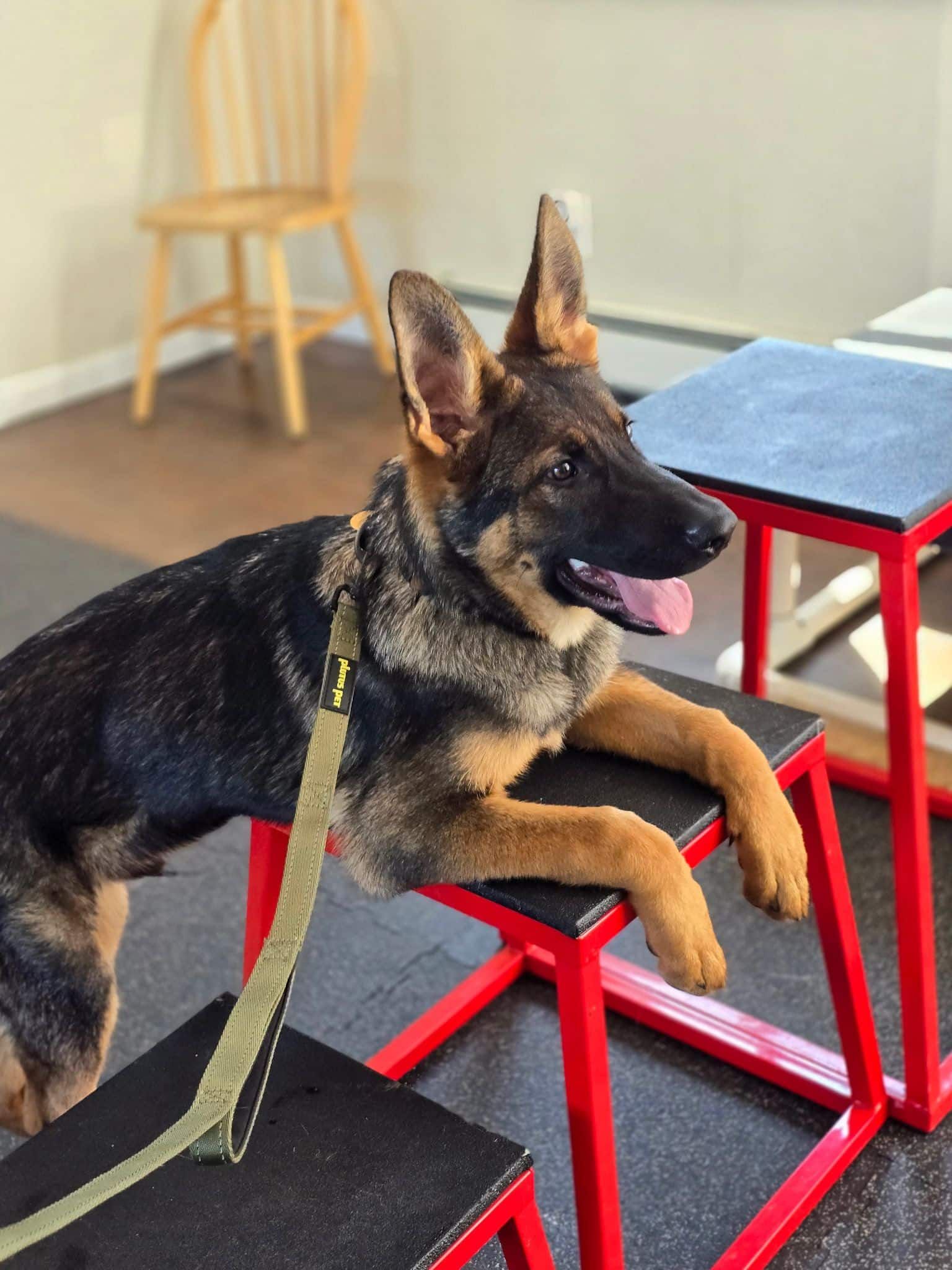
After 35+ years and thousands of dogs, we've genuinely seen almost everything. Extreme reactivity, serious aggression, severe anxiety, dogs other trainers refused to work with—these are our specialties. If you have a large breed dog or a powerful working breed like a German Shepherd, we have particular expertise. If we can't help your dog, we'll tell you honestly and often connect you with appropriate resources. But "too much" is rarely how we'd describe any dog situation.
"What If I've Been Doing Everything Wrong?"
Most first-time clients have made some mistakes in their training approach—it's inevitable when you're learning as you go. We don't judge past choices; we focus on effective approaches going forward. Every professional trainer, including us, has learned from mistakes. Your willingness to seek expert help is what matters, not whatever missteps came before.
"What If I Can't Afford Full Training?"
Financial reality is legitimate. During your first session, we can discuss various options at different price points. Sometimes a limited number of private sessions produces significant progress. Group classes offer more affordable structured training. Even the initial consultation alone often provides valuable guidance you can implement independently. We'll help you find approaches matching both your dog's needs and your budget.
"What If My Dog Bites Someone?"
For dogs with any bite history, we take safety precautions from the outset. This might mean using specific handling protocols, muzzle training, or structured introduction sequences. Discuss any bite history during scheduling so we can prepare appropriate safety measures. Bite history doesn't disqualify dogs from training—it just requires professional approach. Learn more about the root causes of fear-based aggression to better understand what may be driving your dog's behavior.
"What If I Have Multiple Dogs?"
Multiple-dog households often benefit from evaluating dogs both individually and together. Discuss your household composition during scheduling to determine the best approach for your specific situation. Sometimes we start with one dog, sometimes we evaluate the group dynamic first, and sometimes different dogs need different program approaches.
After Your First Session: Making Decisions
Your first session provides comprehensive information—but decision-making about next steps is entirely yours. We provide recommendations and information; you decide how to proceed.
Take Time to Process
You don't need to commit to any training program at your first session. We encourage clients to take time processing what they learned, discussing options with family members, considering their schedule and budget, and thinking through their commitment level. Rushed decisions about training investment rarely produce optimal outcomes.
Some clients decide immediately during the first session. Others take days or weeks to consider options. Some try implementing initial recommendations before committing to formal programs. All these approaches are valid. Your training decisions should feel right for your specific situation, not pressured by artificial urgency.
Consider Your Commitment Realistically
Successful training requires ongoing commitment from you, not just professional sessions. Before enrolling in programs, honestly evaluate whether you can consistently implement training at home, whether your schedule allows regular sessions, whether family members will participate appropriately, and whether you're prepared for the timeline involved.
If commitment realities suggest starting smaller—perhaps a limited number of sessions rather than intensive programs—we're happy to accommodate. Training that gets abandoned partway through often produces worse outcomes than realistic programs completed thoroughly.
Follow Up with Questions
After leaving your first session, additional questions inevitably arise. We welcome follow-up contact—whether by phone at (631) 588-0000 , email, or in-person visit—to answer questions before you make final decisions. This ongoing accessibility distinguishes us from trainers who pressure immediate commitments.
Special First-Session Situations
First Sessions for Puppies
Puppy first sessions focus heavily on developmental assessment, socialization guidance, and setting appropriate expectations. We evaluate temperament indicators, discuss critical socialization windows, provide guidance on avoiding common early mistakes, and often recommend puppy-specific programs. For Suffolk County families with new puppies, first sessions ideally occur within the first few weeks of bringing your puppy home. Reference our essential puppy training commands guide to see what foundations we help establish.
First Sessions for Rescue Dogs
Rescue dogs benefit from evaluation after initial adjustment period (typically 2-4 weeks in the new home). This allows their true personality to emerge beyond initial shutdown or honeymoon phases. First sessions for rescues include discussion of any known history, current adjustment patterns, and identification of specific needs. Many rescue-specific challenges become clear during first sessions, allowing appropriate support from the start. If your rescue shows signs of fear or anxiety, our approach to building confidence in shy and fearful dogs may be particularly relevant.
First Sessions for Aggressive or Fearful Dogs
Dogs with aggression or serious fear often benefit from in-home first sessions rather than facility visits. This allows evaluation in familiar environment without the additional stress of new locations. We discuss safety protocols during scheduling to ensure everyone remains safe during the evaluation. Special situations require special approaches, and we adapt our first-session format accordingly.
First Sessions for Advanced Training Goals
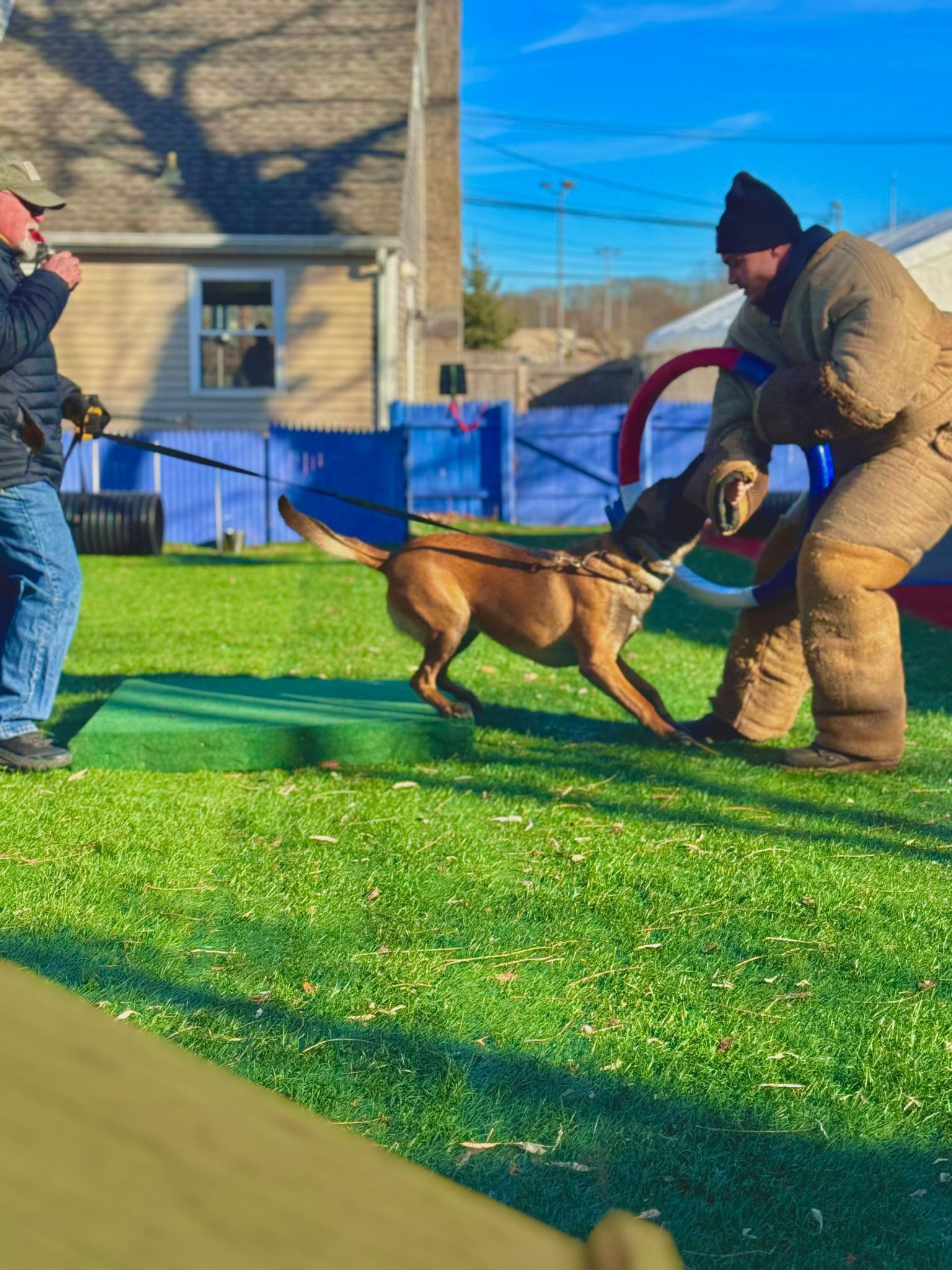
Owners seeking advanced training ( off-leash reliability, dog sports, protection work) undergo different first-session focus. We assess current advanced-level foundations, discuss realistic advanced training goals, and determine appropriate program pathways. These specialty consultations often involve outdoor evaluation at various Suffolk County locations to test dogs under real-world conditions.
Taking the First Step
The hardest part of professional dog training is often just making the initial appointment. Whatever anxieties you feel about that first session—whether about your dog, yourself, or the training process—we've heard them before and understand them completely. Every successful training story at The K-9 Center began with someone taking that first step despite similar concerns.
Your first session is genuinely designed to help, not to judge or pressure. We want you to leave with clear understanding of your situation, practical guidance for immediate improvement, and confidence about the path forward. Whether you ultimately commit to extensive training programs or implement modest changes independently, that first session provides value regardless.
For 35+ years, The K-9 Center has helped Suffolk County families transform their relationships with their dogs. Every one of those transformations started with a first phone call and first session. Master Trainer John Browne and our team look forward to meeting you and your dog, understanding your specific situation, and helping you develop the well-trained, well-behaved companion you envision.
Whatever behaviors are challenging you, whatever goals you're hoping to achieve, whatever concerns you have about the training process—we're here to help. There's no situation we haven't seen, no owner concern we haven't addressed, no dog we've refused to at least evaluate. Take the first step. Schedule that first session. Discover what's possible for you and your dog.
The training journey ahead may be shorter or longer than you expect, easier or harder than anticipated. But it begins with one appointment—and after 35+ years, we've made that first appointment as comfortable, informative, and productive as possible for every family who walks through our doors.
Schedule Your First Training Session Today
The K-9 Center: Trusted by Long Island Families Since 1989
Ready to start your training journey? Our free initial evaluations provide comprehensive assessment, practical recommendations, and clear next steps—with no pressure to commit to further services. Whether you're addressing behavioral challenges, starting with a new puppy, or pursuing advanced training goals, that first session sets the foundation for success.
Book your free training evaluation today.
Call (631) 588-0000 | Visit thek9center.com/contact
Serving Hauppauge, Ronkonkoma, Lake Grove & all of Suffolk County for 35+ years
Related Training Resources
- How Long Does Dog Training Take? Setting Realistic Expectations
- The Role of Exercise in Dog Training Success
- 10 Essential Commands Every Long Island Dog Owner Should Teach Their Puppy
- How to Stop Your Dog from Pulling on the Leash: A Step-by-Step Guide
- German Shepherd Training: What Makes This Breed Unique in Suffolk County
- Training Large Breed Dogs: Special Considerations for Suffolk County Owners
- Building Your Dog's Confidence: Training Shy and Fearful Dogs
- Fear-Based Aggression in Dogs: Understanding the Root Cause
- Advanced Off-Leash Training: Freedom with Reliability
About The K-9 Center's Client-Centered Approach
The K-9 Center has welcomed Suffolk County families for first training sessions for over 35 years. Located in Hauppauge, NY, we've built our practice on transparency, honesty, and genuine commitment to helping dogs and their families succeed. Master Trainer John Browne's decades of experience inform every aspect of our client-centered approach, from initial phone calls through ongoing training relationships.
We believe that informed clients make better training decisions, so we invest significant time in education during first sessions and beyond. You'll leave your first appointment with genuine understanding of your dog's situation, clear recommendations for moving forward, and confidence about the path ahead. This educational approach means clients commit to training with realistic expectations, producing better long-term outcomes than sales-focused approaches deliver.
Whether you're a Hauppauge family with a new puppy, a Ronkonkoma owner facing challenging behaviors, or a Lake Grove resident pursuing advanced training, our first session provides the comprehensive evaluation and honest guidance that starts you on the right path. We look forward to meeting you and your dog.
Contact The K-9 Center today at (631) 588-0000 to schedule your first training session. Your training journey begins with one phone call—make it today.