10 Essential Commands Every Long Island Dog Owner Should Teach Their Puppy | The K-9 Center
10 Essential Commands Every Long Island Dog Owner Should Teach Their Puppy
Bringing home a new puppy is one of life's greatest joys, but it also comes with responsibilities. Whether you've just welcomed a furry friend to your Hauppauge home or you're preparing for puppy parenthood in Suffolk County, establishing a foundation of basic obedience commands is crucial for your dog's safety, your sanity, and building a lifelong bond.
At The K-9 Center, we've spent over 35 years helping Long Island families raise well-behaved, confident dogs. Our Master Trainer, John Browne, has worked with thousands of puppies and their owners, and one truth remains constant: the commands you teach in those critical early months set the stage for everything that follows.
In this comprehensive guide, we'll walk you through the 10 essential commands every puppy should learn, explain why each matters, and provide practical tips you can implement today. Let's get started.
Why Basic Obedience Training Matters for Long Island Puppies
Before diving into specific commands, it's important to understand why puppy training is more than just teaching tricks. Basic obedience training provides:
• Safety: Commands like 'come' and 'stay' can literally save your dog's life in emergencies
• Mental Stimulation: Training exercises your puppy's brain and prevents destructive behavior born from boredom
• Bonding: Training sessions strengthen the relationship between you and your puppy through positive communication
• Confidence Building: Successfully learning commands builds your puppy's confidence in new situations
• Better Behavior: Well-trained dogs are welcome in more places, from local parks to outdoor dining on Long Island
Now that we understand the 'why,' let's explore the essential commands that form the foundation of good canine citizenship.
The 10 Essential Puppy Training Commands
1. Sit
Why it matters: 'Sit' is often the first command puppies learn because it's simple, versatile, and forms the basis for many other behaviors. A dog that knows 'sit' is easier to manage during greetings, at doorways, before meals, and in countless daily situations.
How to teach it:
1. Hold a treat close to your puppy's nose
2. Move your hand up and back over their head, causing their bottom to lower
3. As soon as they sit, say 'sit,' give the treat, and offer praise
4. Practice 5-10 times per session, multiple times daily
Pro tip: Don't push your puppy's bottom down. Let them figure it out naturally—this builds understanding rather than compliance.
2. Stay
Why it matters: 'Stay' teaches impulse control and patience. It's crucial for safety situations like keeping your dog from bolting out the door or staying calm when guests arrive. This command can prevent your puppy from running into traffic or approaching unfriendly dogs at Suffolk County parks.
How to teach it:
5. Ask your puppy to sit
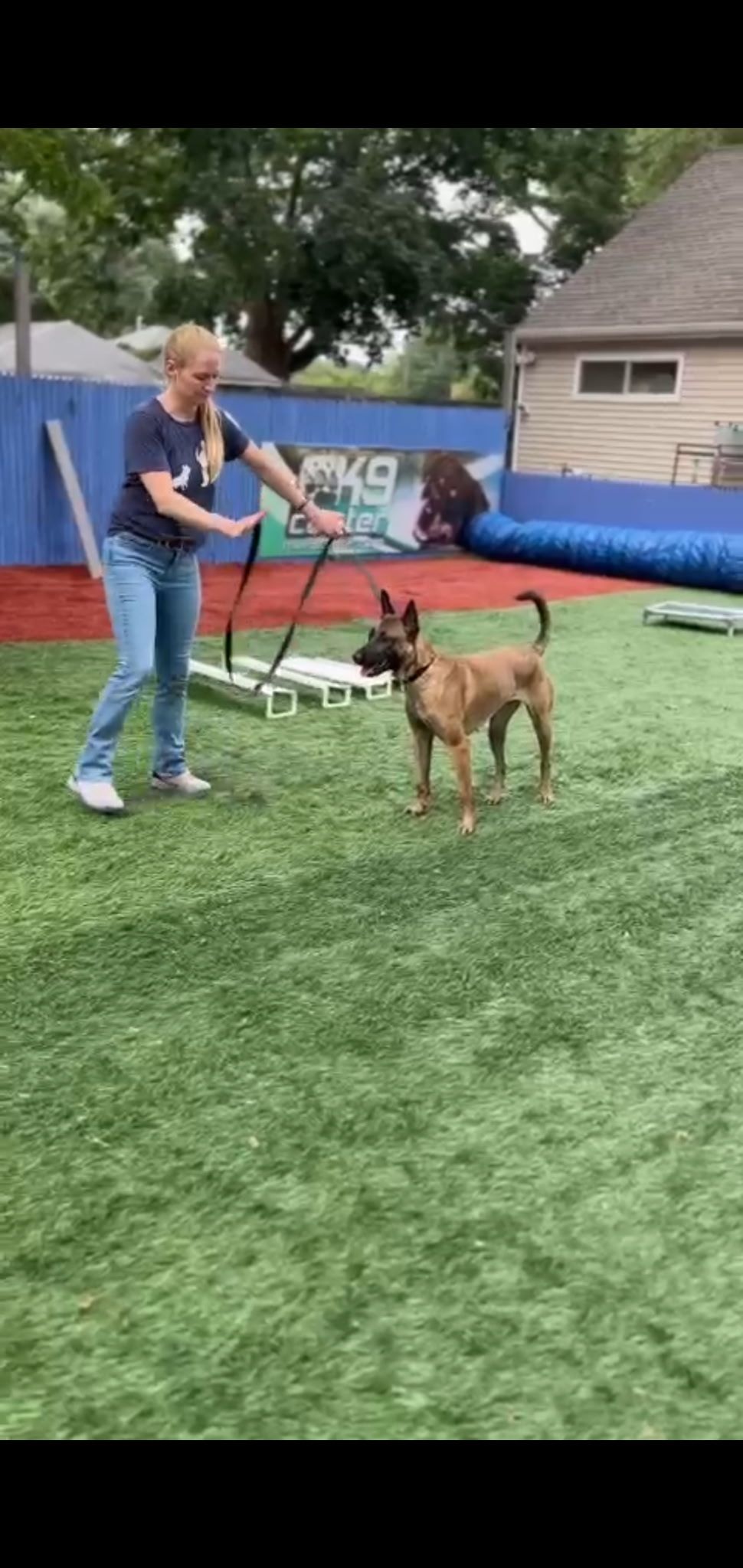
6. Hold your palm out in a 'stop' gesture and say 'stay'
7. Take one step back; if they stay, return and reward immediately
8. Gradually increase distance and duration over several weeks
Pro tip: Start with very short durations (2-3 seconds) and minimal distance. Success builds on success.
3. Come (Recall)
Why it matters: A reliable recall is the single most important safety command your dog can learn. Whether your puppy slips their collar at a Hauppauge dog park or encounters a dangerous situation, 'come' can be a lifesaver. This is non-negotiable for every dog owner.
How to teach it:
9. Start in a low-distraction environment indoors
10. Get down to your puppy's level and say their name followed by 'come' in an excited, happy voice
11. When they come to you, reward with treats and enthusiastic praise
12. Never call your puppy to you for something negative (nail trimming, punishment, etc.)
Pro tip: Practice recall multiple times daily during regular activities. Call your puppy before meals, before walks, and during playtime to reinforce that coming when called always leads to good things.
4. Down
Why it matters: The 'down' command is more than lying down—it teaches your puppy to settle and relax on cue. This is invaluable for vet visits, grooming appointments, and when you need your dog to remain calm in public spaces like outdoor restaurants on Long Island.
How to teach it:
13. Start with your puppy in a sitting position
14. Hold a treat in your closed hand and lower it to the ground in front of their paws
15. As they follow the treat and lie down, say 'down' and immediately reward
16. If they stand up, don't reward—wait for them to lie down again
Pro tip: Some puppies struggle with 'down' because it's a vulnerable position. Be patient and never force them down physically.
5. Leave It
Why it matters: 'Leave it' is a critical safety command that can prevent your puppy from eating something dangerous, chasing wildlife, or picking up harmful objects during walks around Ronkonkoma or Lake Grove. This command builds impulse control and keeps your dog safe from toxins, sharp objects, and other hazards.
How to teach it:
17. Place a treat in your closed fist
18. Let your puppy sniff, lick, and paw at your hand—don't open it
19. When they pull away, even briefly, say 'yes!' and reward with a different treat from your other hand
20. Progress to placing treats on the ground while saying 'leave it'
Pro tip: Always reward 'leave it' with a different treat than the one they're leaving. This teaches them that ignoring something leads to an even better reward.
6. Heel (or Loose Leash Walking)
Why it matters: Walking nicely on a leash makes every outing enjoyable and safe. A puppy that pulls constantly makes walks stressful and can even cause injury to themselves or you. Good leash manners are essential for navigating busy Long Island sidewalks and enjoying local trails together.
How to teach it:
21. Start indoors or in a quiet area with minimal distractions
22. Hold treats at your side and encourage your puppy to walk beside you
23. The moment the leash goes tight, stop walking completely
24. Only resume walking when the leash is loose and reward frequently for staying by your side
Pro tip: Consistency is everything. Every time you let your puppy pull successfully, you're teaching them that pulling works. Be patient—this command takes time.
7. Wait
Why it matters: 'Wait' differs from 'stay' in that it's a temporary pause before an action. Use it at doorways, before meals, getting out of cars, and any time you need your puppy to hold position briefly until you give a release cue. This command builds patience and prevents door-darting, a common cause of lost dogs.
How to teach it:
25. Start at doorways or before placing their food bowl down
26. Say 'wait' and use your hand as a barrier if needed
27. Wait just 2-3 seconds initially, then say 'okay' or 'free' as a release word
28. Gradually increase the duration your puppy must wait
Pro tip: Use 'wait' multiple times daily at doorways. This reinforces the behavior while preventing escape attempts.
8. Drop It
Why it matters: Puppies explore the world with their mouths, which means they'll inevitably pick up things they shouldn't. 'Drop it' ensures you can safely remove dangerous items without turning it into a tug-of-war game. This command is particularly important during the teething phase when puppies chew everything.
How to teach it:
29. Let your puppy pick up a low-value toy
30. Show them a high-value treat near their nose
31. When they drop the toy to take the treat, say 'drop it' as they release
32. Reward immediately and return the toy to show dropping it isn't permanent
Pro tip: Never chase your puppy for an item or pull it from their mouth aggressively. This creates a keep-away game and can lead to resource guarding.
9. Off
Why it matters: 'Off' tells your puppy to remove themselves from something—whether it's jumping on people, climbing on furniture, or placing paws where they don't belong. This command is essential for managing unwanted jumping behaviors and protecting your home (and your guests' clothes).
How to teach it:
33. When your puppy jumps on you, turn away and ignore completely
34. Say 'off' in a calm, firm voice
35. Only give attention when all four paws are on the ground
36. Reward with treats and praise for keeping paws down
Pro tip: Everyone in your household must enforce this rule consistently. If one person allows jumping while others don't, your puppy will be confused and the behavior will persist.
10. Place (or Go to Your Bed)
Why it matters: Teaching your puppy to go to a designated spot on command gives them a job during potentially chaotic moments—when guests arrive, during family meals, or when you need them settled. This command promotes calm behavior and gives your puppy a clear understanding of what you want from them.
How to teach it:
37. Choose a specific mat, bed, or location
38. Lure your puppy to the spot with a treat and say 'place'
39. Reward them for standing on or lying on the designated spot
40. Gradually increase the duration they must stay there before receiving the reward
Pro tip: Make the designated spot inherently rewarding by occasionally leaving treats there for your puppy to discover, even when you haven't asked them to go there.
Essential Puppy Training Tips for Success
Now that you know the essential commands, here are some fundamental training principles that will help you succeed:
Keep Training Sessions Short and Positive
Puppies have short attention spans. Aim for 5-10 minute training sessions multiple times throughout the day rather than one long session. Always end on a positive note with a command they know well.
Consistency is Non-Negotiable
Everyone in your household must use the same commands and enforce the same rules. If you say 'down' for lying down but your partner uses it for getting off the couch, your puppy will be confused.
Timing Matters
Rewards must come within 1-2 seconds of the desired behavior. Any longer and your puppy won't make the connection between the action and the reward.
Gradually Increase Difficulty
Start in a quiet environment with no distractions. Once your puppy reliably performs a command indoors, practice in the backyard, then on neighborhood walks, then at busier locations like parks. This systematic approach builds reliable obedience.
Use High-Value Rewards
Not all treats are created equal. For challenging commands or high-distraction environments, use special high-value treats your puppy only gets during training (small pieces of chicken, cheese, or hot dogs work well for most dogs).
When to Consider Professional Puppy Training Classes
While many owners can successfully teach basic commands at home, professional training classes offer significant advantages:
• Expert Guidance: Professional trainers can identify and correct mistakes before they become habits
• Socialization Opportunities: Puppy classes provide controlled exposure to other dogs and people during the critical socialization window
• Distraction Training: Learning to obey commands around other puppies is challenging but essential for real-world reliability
• Accountability: Weekly classes keep you consistent with training when life gets busy
• Problem Prevention: Trainers can spot early warning signs of behavior problems and address them before they escalate
At The K-9 Center, our puppy training classes in Hauppauge cover all these essential commands and more, providing both you and your puppy with the foundation needed for a lifetime of good behavior. With over 35 years of experience training Long Island puppies, we understand the unique challenges local families face and can help you navigate them successfully.
Start Your Puppy Training Journey Today
Teaching your puppy these 10 essential commands creates a foundation for everything else you'll accomplish together. Whether you're raising a future therapy dog, a family companion, or a working dog, these basics are non-negotiable.
Remember, puppy training isn't just about obedience—it's about communication, trust, and building a relationship that will last 10-15 years or more. The time you invest now in teaching these commands will pay dividends every single day of your dog's life.
If you're in Hauppauge, Ronkonkoma, Lake Grove, or anywhere in Suffolk County and need expert guidance for your puppy training journey, The K-9 Center is here to help. Our Master Trainer, John Browne, and our experienced team have helped thousands of Long Island families raise well-behaved, confident dogs.
Ready to get started? Schedule your free training evaluation today and discover how professional guidance can set your puppy up for lifelong success.
SCHEDULE YOUR FREE DOG TRAINING EVALUATION
Call The K-9 Center at (631) 588-0000 or visit our contact page to book your appointment.
Serving Hauppauge, Suffolk County, and all of Long Island for over 35 years.
About The K-9 Center
The K-9 Center has been serving Long Island families for over 35 years, providing expert dog training, puppy classes, obedience programs, and agility courses in Hauppauge, NY. Our Master Trainer, John Browne, brings decades of experience training dogs of all breeds, ages, and temperaments. Whether you're starting with a young puppy or addressing behavioral challenges in an older dog, we're here to help you achieve your training goals.
Contact us today to learn more about our puppy training programs and schedule your free evaluation.