Multi-Dog Household Training: Managing Pack Dynamics
Practical Tips for Creating a Calm, Cooperative Home With Multiple Dogs
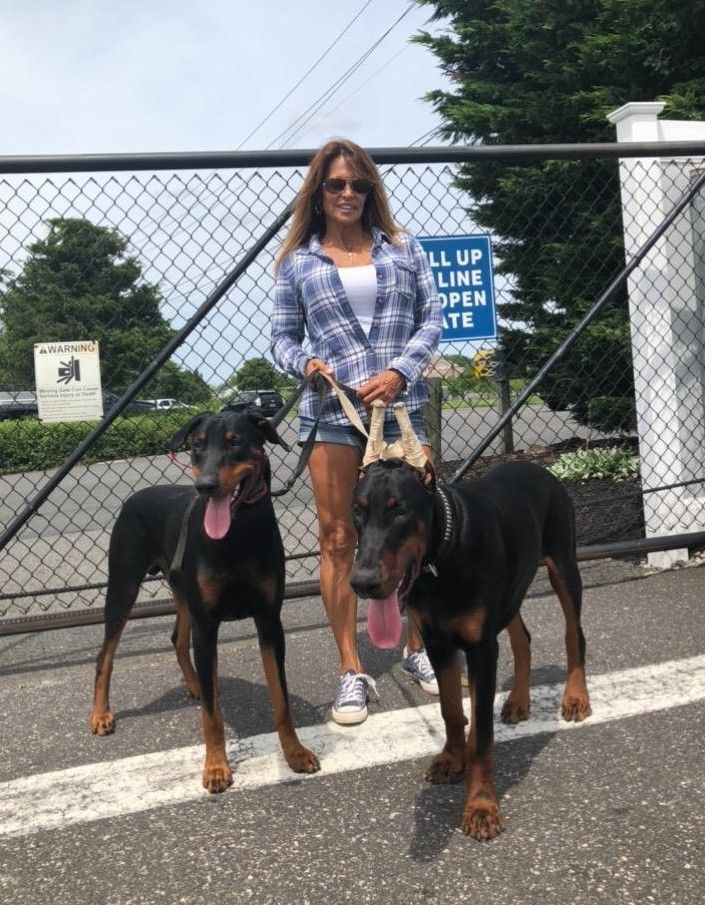
Sharing your home with multiple dogs can be incredibly rewarding, but it can also create training challenges that don't exist in a one-dog household. One dog starts barking and suddenly everyone joins in. The doorbell rings and the entire house erupts. A simple walk can become difficult when each dog wants to move in a different direction.
Effective multi-dog training isn't simply about teaching every dog the same commands. Owners also need to understand how their dogs influence one another, establish clear household expectations, and make sure each dog can respond independently instead of simply following the group.
Whether you've recently added another dog or have lived with several dogs for years, better structure can make everyday life considerably easier.
Why Is Training Multiple Dogs Different?
Sharing your home with multiple dogs can be incredibly rewarding, but it can also create training challenges that don't exist in a one-dog household. One dog starts barking and suddenly everyone joins in. The doorbell rings and the entire house erupts. A simple walk can become difficult when each dog wants to move in a different direction.
Effective multi-dog training isn't simply about teaching every dog the same commands. Owners also need to understand how their dogs influence one another, establish clear household expectations, and make sure each dog can respond independently instead of simply following the group.
Whether you've recently added another dog or have lived with several dogs for years, better structure can make everyday life considerably easier.
Why Is Training Multiple Dogs Different?
Dogs living together don't behave independently all the time. They watch one another, learn from one another, and can amplify each other's behavior.
If one dog races toward the front door when someone arrives, another may quickly learn to do the same. If one dog becomes excited when another dog passes the house, that excitement can spread through the group.
Fortunately, good behavior can spread too.
A calm dog can help demonstrate routines to another dog, and consistent household rules can teach every dog what is expected. The goal of multiple dogs training is to develop reliable individual behavior while also teaching the dogs how to function successfully together.
Understanding Pack Dynamics in a Multi-Dog Household
The term pack dynamics is often used to describe relationships between dogs living together. In reality, those relationships can be much more fluid than simply identifying one dog as the "alpha."
One dog may be more confident around food while another initiates play. One may seek more attention from family members, while another prefers having space. Age, personality, previous experiences, health, and the environment can all affect interactions between dogs.
Instead of trying to establish a rigid hierarchy, owners should pay attention to each dog's behavior and create clear, consistent rules for everyone.
Watch for behaviors such as:
- Blocking another dog's access to people or spaces
- Guarding food, toys, beds, or attention
- Persistent mounting or overly rough play
- One dog repeatedly avoiding another
- Stiff body language, staring, or freezing
- Competition when entering or leaving doors
- Escalating excitement when visitors arrive
These behaviors don't automatically mean the dogs cannot live together. They can, however, indicate areas where better household dog management and professional guidance may be helpful.
Train Each Dog Individually First
One of the most useful strategies for multi-dog households is surprisingly simple: separate the dogs during some training sessions.
Trying to teach two or three dogs a new behavior simultaneously can make learning unnecessarily difficult. Each dog may be watching the others, competing for rewards, or becoming distracted instead of concentrating on you.
Individual sessions allow you to identify each dog's strengths and weaknesses.
Start with fundamental skills such as:
- Sit
- Down
- Stay
- Come
- Heel or loose-leash walking
- Place
- Leave it
Once each dog can reliably perform a command independently, begin practicing with two dogs together. Gradually increase the difficulty until the entire household can follow the same instructions.
Teach Each Dog to Respond to You, Not Just the Pack
Dogs that spend most of their time together can become highly dependent on one another. Sometimes a dog appears well trained when it is actually following another dog's behavior.
For example, if you call three dogs and your best-trained dog comes running, the others may simply follow. That doesn't necessarily mean each dog has developed a reliable recall.
Each dog should learn to respond to you even when the other dogs aren't present. This becomes particularly important for recall, leash walking, waiting at doors, and other behaviors related to safety.
Create Consistent Household Rules
Consistency becomes even more important when several dogs live together.
If dogs are allowed to rush through a doorway sometimes but expected to wait at other times, confusion can quickly develop. Decide what behaviors you expect and reinforce those expectations consistently.
Useful household rules might include:
- Waiting calmly before going through exterior doors
- Going to a designated place when visitors arrive
- Waiting before meals are placed down
- Not jumping on people
- Responding when called away from play
- Respecting another dog's space
Predictable routines help dogs understand what happens next and what behavior is expected of them.
Manage Feeding Time Carefully
Food can become a major source of competition in a multi-dog home, even among dogs that normally get along well.
Feeding dogs separately is often one of the easiest ways to prevent unnecessary conflict. Each dog should be able to eat without worrying that another dog will approach its bowl.
Depending on your household, that could mean feeding dogs in separate rooms, crates, or designated areas. When a dog finishes eating, don't allow it to immediately investigate another dog's bowl. Pick bowls up when meals are finished and keep the routine predictable.
Be Careful With High-Value Resources
Food bowls aren't the only things dogs may compete over.
High-value treats, bones, toys, favorite sleeping areas, and even human attention can become resources worth guarding.
Watch how your dogs interact when valuable items are present. If you notice tension, don't force them to "work it out." Management—such as giving high-value chews separately—can prevent a disagreement from becoming a more serious behavioral problem.
If resource guarding has already developed, professional behavior training may be appropriate.
Control Excitement Before It Spreads
Excitement is contagious in a house full of dogs.
One dog hears the delivery driver. It barks. Another dog runs toward the window. The third begins barking because everyone else is barking. Within seconds, the household goes from quiet to chaotic.
Rather than waiting until every dog is highly aroused, work on interrupting the behavior early.
Commands such as place, stay, come, and leave it can give dogs an alternative behavior to perform. Practicing these commands when the house is calm makes them much easier to use when excitement occurs.
Practice Calm Doorway Behavior
Doors are another common trouble spot in multi-dog homes.
Dogs may crowd the doorway, compete to be first outside, jump on arriving guests, or attempt to run through an open exterior door.
Teach dogs that an opening door isn't automatically permission to move through it. Initially, this is often easier to practice with one dog at a time. Once each dog understands the expectation, begin working with them together.
Being able to calmly open a front door while several dogs remain under control is more than a matter of manners—it can also be an important safety skill.
Should You Walk Multiple Dogs Together?
Walking several dogs together can be convenient, but don't rush into it.
If each dog pulls individually, combining them usually doesn't solve the problem. It simply gives you several pulling dogs at once.
Develop good leash manners separately before expecting the dogs to walk calmly as a group. Once they're ready, start with two dogs and relatively quiet surroundings. As their reliability improves, you can introduce additional dogs or more distracting environments.
Make Sure Every Dog Gets Individual Attention
Group activities are important, but dogs can also benefit from spending time individually with their owners.
Take one dog for a walk. Practice obedience with another. Spend a few minutes playing individually with each dog.
This provides valuable training opportunities and allows you to develop a relationship with each dog that isn't dependent on the presence of the others.
Introducing a New Dog to Your Household
Adding another dog changes the existing household dynamic. Even if the first meetings go well, don't assume the dogs should immediately share everything.
Introductions should be controlled and gradual. Give each dog its own space, supervise interactions, and be particularly careful around food, toys, resting areas, and other valuable resources.
Pay attention to body language rather than simply waiting for obvious aggression. Avoidance, stiffness, prolonged staring, guarding access, and repeated attempts to escape an interaction can all provide useful information about how comfortable the dogs actually are.
Building a successful relationship can take time. There is no benefit to rushing the process.
When Multi-Dog Problems Require Professional Training
Some multi-dog challenges can be improved through basic obedience and better household structure. Others require professional help.
Consider consulting an experienced dog trainer if you're dealing with:
- Fights between household dogs
- Aggression or threatening behavior
- Serious resource guarding
- Extreme reactivity
- One dog consistently intimidating another
- Difficulty safely controlling multiple dogs
- Behavior that is becoming more intense or frequent
When aggression is involved, avoid intentionally recreating confrontations to see what happens. A professional can evaluate the dogs and help determine an appropriate management and training strategy.
Successful Multi-Dog Training Starts With Structure
A peaceful multi-dog household doesn't require every dog to have the same personality. What matters is establishing clear expectations, teaching reliable individual obedience, managing situations that create unnecessary competition, and helping each dog learn how to behave as part of the household.
With consistent multi-dog training, owners can create an environment where several dogs can live together with greater confidence, predictability, and control.
Get Help Training a Multi-Dog Household on Long Island
If managing multiple dogs has become stressful, The K-9 Center can help identify the behaviors contributing to the problem and develop a training approach appropriate for your household.
From obedience training and private lessons to more complex behavioral concerns, professional training can give you the tools needed to communicate more clearly with each dog and manage your household as a whole.
Call The K-9 Center at (631) 588-0000 to discuss your dogs and schedule an evaluation.